
Foenegriek is a natural plant that has been used for centuries in cooking, health, and traditional remedies. It is known in English as fenugreek and is popular in many parts of the world, especially in Asia, the Middle East, and Europe. Foenegriek is valued for its seeds and leaves, which have a strong aroma and many benefits.
This article explains foenegriek in a simple way, covering what it is, how it is used, and why it is so important in daily life.
What Is Foenegriek?
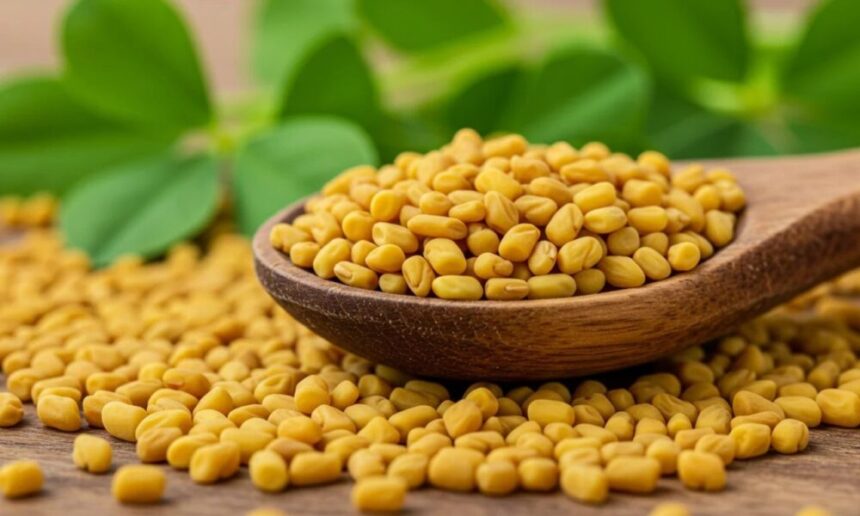
Foenegriek is a small green plant that belongs to the legume family. It produces small seeds that are yellowish-brown in color. These seeds are the most commonly used part of the plant, although the fresh and dried leaves are also widely used.
The plant grows well in warm climates and is easy to cultivate. Because of this, foenegriek has been part of traditional cultures for a very long time.
History of Foenegriek:
Foenegriek has a long history that goes back thousands of years. Ancient civilizations used it for food, medicine, and even beauty care. It was known in ancient Egypt, Greece, and Rome.
Over time, foenegriek spread to different regions and became an important ingredient in many traditional cuisines and healing practices. Today, it is still used in both modern cooking and natural remedies.
Foenegriek in Cooking:
Foenegriek is widely used in cooking because of its unique taste and aroma. The seeds have a slightly bitter and nutty flavor, while the leaves taste fresh and slightly sweet.
In many cuisines, foenegriek seeds are roasted or ground into powder and added to dishes. The leaves are often used fresh or dried to add flavor to vegetables, bread, and sauces.
Foenegriek is especially popular in spice mixes and traditional recipes, where it enhances the overall taste of the food.
Nutritional Value of Foenegriek:
Foenegriek is rich in nutrients that are good for the body. It contains fiber, protein, vitamins, and minerals. These nutrients help support digestion, energy levels, and overall health.
Because foenegriek is plant-based and natural, it is often included in balanced diets and traditional meal plans. It is also valued for being affordable and easy to include in everyday food.
Health Benefits of Foenegriek:
Foenegriek is well known for its health-supporting properties. Many people use it as a natural remedy for common health concerns.
It is often used to support digestion and reduce stomach discomfort. The fiber in foenegriek helps keep the digestive system working smoothly.
Foenegriek is also believed to help manage blood sugar levels when used as part of a healthy diet. This is one reason it is popular in traditional health practices.
Foenegriek for Hair and Skin:
Foenegriek is not only used in food but also in beauty care. Many people use it for hair and skin treatments.
For hair, foenegriek seeds are often soaked in water and turned into a paste. This paste is applied to the scalp to help improve hair strength and shine. Some people believe it helps reduce hair fall and dryness.
For skin, foenegriek is used in face masks and natural treatments. It is thought to help cleanse the skin and give it a healthy glow.
Foenegriek in Traditional Remedies:
In traditional medicine systems, foenegriek is considered a powerful natural ingredient. It has been used in home remedies for generations.
People often prepare foenegriek by soaking the seeds in water overnight and drinking the water in the morning. Others grind the seeds into powder and mix them with food or warm liquids.
These traditional uses are still common today, especially among people who prefer natural solutions.
How to Use Foenegriek Daily?
Using foenegriek in daily life is simple. It can be added to food, drinks, or homemade remedies.
In cooking, small amounts of foenegriek seeds or powder can be added to vegetables, soups, or spice mixes. The leaves can be used fresh or dried in recipes.
For health purposes, many people use foenegriek in moderation as part of a balanced lifestyle. It is important not to overuse it, as too much can cause a strong taste or discomfort.
Growing Foenegriek at Home:
Foenegriek is easy to grow at home, even in small spaces. The seeds can be planted in pots or gardens and grow quickly.
The plant does not require much care and can be harvested within a few weeks. Fresh foenegriek leaves are especially popular for home cooking.
Growing foenegriek at home ensures freshness and saves money.
Possible Side Effects of Foenegriek:
While foenegriek is natural, it should be used carefully. Some people may experience mild side effects such as stomach discomfort or a strong body odor if used in large amounts.
Pregnant or breastfeeding individuals should consult a health professional before using foenegriek regularly. Moderation is always the key when using natural ingredients.
Foenegriek in Modern Life
Today, foenegriek is used in many forms, including seeds, powder, capsules, and teas. It is available in grocery stores, health shops, and online markets.
Its popularity continues to grow because people are becoming more interested in natural and plant-based options for food and wellness.
Foenegriek fits well into modern lifestyles because it is versatile, affordable, and easy to use.
Why Is Foenegriek Still Important?
Foenegriek has survived through centuries because of its usefulness and value. It supports health, enhances food flavor, and offers natural care options.
In a world filled with processed products, foenegriek stands out as a simple and natural choice. Its long history and wide use show that it is more than just a spice—it is a part of everyday life for many cultures.
FAQ’s:
1. What is foenegriek?
Foenegriek is a natural plant whose seeds and leaves are commonly used in cooking, traditional remedies, and natural care practices. It is also known as fenugreek.
2. How is foenegriek used in food?
Foenegriek seeds are used as a spice, either whole or in powdered form, while the leaves are used fresh or dried to add flavor to dishes.
3. What are the health benefits of foenegriek?
Foenegriek is believed to support digestion, help manage blood sugar levels, and improve overall wellness when used in moderation.
4. Can foenegriek be used for hair and skin?
Yes, foenegriek is often used in natural hair masks and skin treatments to improve hair strength and skin appearance.
5. Is foenegriek safe for daily use?
Foenegriek is generally safe when used in small amounts, but overuse may cause discomfort. Pregnant or breastfeeding individuals should consult a professional before regular use.
Final Thoughts:
Foenegriek is a powerful yet simple plant with many uses. From cooking and nutrition to beauty and traditional remedies, it plays an important role in daily life.
Its natural benefits, ease of use, and long history make foenegriek a valuable addition to a healthy lifestyle. When used in moderation and with care, foenegriek can support both flavor and well-being in a natural way.