

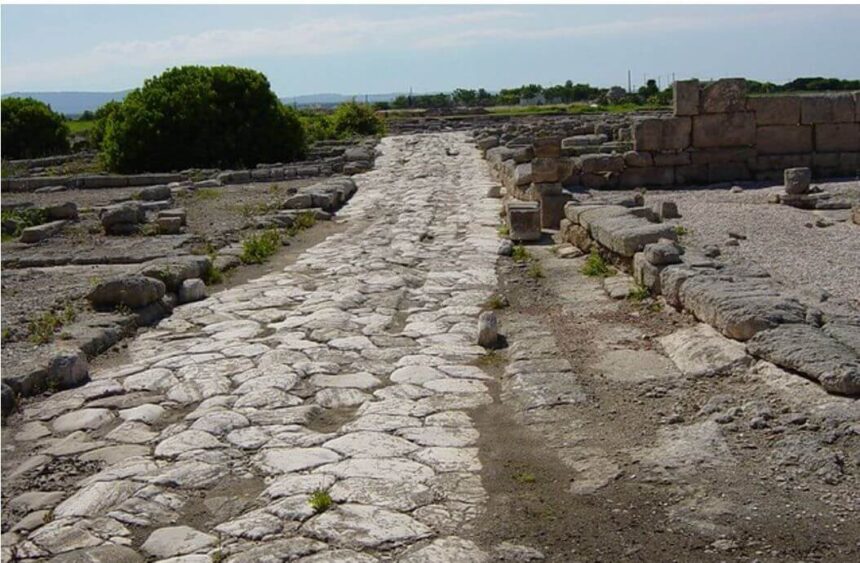
The Roman Empire is remembered for its extraordinary achievements in architecture, governance, and engineering. Among its most enduring legacies is its vast network of roads, often referred to in modern contexts as cesta roman. These Roman roads were not merely routes for travel; they were symbols of power, organization, and innovation that helped unite an empire stretching across three continents.
Even today, traces of cesta roman can still be found across Europe, the Middle East, and North Africa, reminding us of Rome’s unmatched influence on infrastructure and urban planning.
What Does Cesta Roman Mean?
The term cesta roman broadly refers to Roman roads and pathways constructed during the Roman Republic and Roman Empire. In Latin, “cesta” or “via” indicated a road or route, while “Roman” highlights their origin and engineering style.
Cesta roman represents more than physical roads—it embodies a system of transportation, communication, and control that enabled Rome to govern vast territories efficiently.
The Purpose of Cesta Roman Roads:
Roman roads were designed with multiple objectives in mind:
- Military movement – enabling fast deployment of legions
- Trade and commerce – connecting cities, ports, and markets
- Administration – allowing messengers and officials to travel quickly
- Cultural integration – spreading Roman culture and law
The famous saying “All roads lead to Rome” reflects the central role that cesta roman played in connecting the empire.
Engineering Excellence Behind Cesta Roman:
One of the most impressive aspects of cesta roman is the advanced engineering techniques used in their construction. Roman roads were built to last, and many survived for centuries due to their layered design.
Structure of a Roman Road
A typical cesta roman road consisted of several layers:
- Foundation layer made of large stones
- Middle layers of gravel and sand for drainage
- Top surface of flat stone slabs
This design ensured durability, resistance to weather, and ease of maintenance.
Straight-Line Precision
Roman engineers preferred straight roads whenever possible. Even hills and forests did not deter them. This efficiency reduced travel time and demonstrated Roman authority over nature itself.
Famous Examples of Cesta Roman:
Several historic roads are iconic examples of cesta roman:
- Via Appia – One of the earliest and most important Roman roads, connecting Rome to southern Italy
- Via Augusta – Extending across the Iberian Peninsula
- Via Egnatia – Linking the Adriatic Sea to Byzantium
These routes became the backbone of trade and military logistics throughout the empire.
Cesta Roman and Roman Society:
Cesta roman roads shaped everyday life in the Roman world. Inns, milestones, and rest stations developed along major routes, supporting travelers and merchants.
Milestones placed along the roads displayed distances and the name of the emperor responsible for maintenance. This reinforced loyalty to Rome while helping travelers navigate the vast road system.
Economic Impact of Cesta Roman:
The Roman road network fueled economic growth by enabling faster movement of goods such as grain, wine, olive oil, and textiles. Local economies flourished as cities became connected to broader trade routes.
Cesta roman helped standardize commerce by making markets accessible and predictable, contributing to Rome’s long-term stability.
Military Importance of Cesta Roman:
Perhaps the most critical function of cesta roman was military efficiency. Roman legions could march up to 30 kilometers per day on well-built roads, giving them a strategic advantage over enemies.
This rapid mobility allowed Rome to suppress rebellions, defend borders, and expand territory with remarkable speed.
Legacy of Cesta Roman in the Modern World:
The influence of cesta roman extends far beyond antiquity. Many modern European highways follow the same routes established by Roman engineers. Cities that grew along Roman roads remain important urban centers today.
Roman road-building principles—such as strong foundations, drainage systems, and standardized measurements—continue to inspire modern civil engineering.
Archaeological Importance of Cesta Roman:
Archaeologists study cesta roman to understand Roman technology, economy, and daily life. Excavated roads provide insights into construction methods, trade patterns, and even political changes based on repairs and inscriptions.
Preserved Roman roads are also valuable cultural heritage sites, attracting historians, tourists, and researchers worldwide.
Cesta Roman as a Symbol of Roman Power:
Beyond practical use, cesta roman symbolized Roman dominance. Roads were physical statements of order, unity, and permanence. They reminded conquered peoples of Rome’s presence and capability.
This symbolic power helped maintain authority across distant provinces for centuries.
FAQ’s:
1. What is cesta roman?
Cesta Roman is a term used to describe the roads and pathways built by ancient Romans for military, trade, and administrative purposes.
2. Why were cesta roman roads important?
They allowed fast movement of armies, efficient trade, and strong communication across the Roman Empire.
3. How were cesta roman roads built?
Roman roads were constructed using layered stone, gravel, and sand, making them strong and long-lasting.
4. Are cesta roman roads still visible today?
Yes, many Roman roads still exist today and form the foundation of modern roads in Europe and surrounding regions.
5. What is the legacy of cesta roman?
Cesta Roman influenced modern engineering, urban planning, and transportation systems used around the world today.
Conclusion:
Cesta roman stands as one of the greatest achievements of ancient civilization. These roads were not just paths of stone but lifelines of an empire that shaped world history. Through military precision, economic integration, and engineering brilliance, Roman roads connected cultures and laid the groundwork for modern transportation systems.