
Blackheads are one of the most common skin concerns affecting people of all ages. Those tiny dark spots that appear on your nose, forehead, or chin can be frustrating, especially when they return even after regular cleansing. Understanding what blackheads are, why they form, and how to remove them safely is the key to achieving smoother, clearer skin.
This article explores everything you need to know about blackhead removal — from causes and treatment options to expert prevention tips.
1. What Are Blackheads?
Blackheads, medically known as open comedones, are a mild form of acne. They occur when pores become clogged with a combination of sebum (natural oil), dead skin cells, and dirt.
Unlike whiteheads, which remain closed under the skin, blackheads are open to the air. The dark color you see is not dirt but rather oxidized oil and dead skin cells. When the mixture in the pore is exposed to oxygen, it darkens — giving blackheads their characteristic black or dark brown appearance.
Blackheads can appear anywhere, but they’re most common on areas with more oil glands, including:
- Nose
- Chin
- Forehead
- Cheeks
- Back and shoulders
Common Causes of Blackheads:
While anyone can get blackheads, certain factors increase the likelihood of developing them:
- Excess Oil Production: Overactive sebaceous glands can produce too much sebum, leading to clogged pores.
- Hormonal Changes: Teenagers, pregnant women, or individuals on certain medications often experience hormonal fluctuations that increase oil production.
- Improper Cleansing: Not removing makeup, sunscreen, or sweat can leave residue that clogs pores.
- Heavy Skincare Products: Thick or greasy moisturizers can block pores, especially for people with oily or combination skin.
- Diet and Lifestyle: High sugar or dairy intake, along with stress and lack of sleep, may contribute to acne-prone skin.
Safe and Effective Blackhead Removal Methods:
A. Cleansing with the Right Products
Start with a gentle yet effective cleanser that removes excess oil and dirt without stripping your skin. Look for products containing:
- Salicylic Acid: A beta hydroxy acid (BHA) that penetrates deep into pores to dissolve oil and debris.
- Benzoyl Peroxide: Helps kill acne-causing bacteria and reduce inflammation.
- Niacinamide: Balances oil production and soothes irritation.
B. Exfoliation
Regular exfoliation helps remove dead skin cells that contribute to clogged pores. There are two main types of exfoliants:
- Physical Exfoliants: Scrubs containing fine particles (like sugar or rice powder) that manually remove buildup. Use these sparingly to avoid irritation.
- Chemical Exfoliants: Products with salicylic acid, glycolic acid, or lactic acid that dissolve dead skin at the surface and within pores.
C. Steam Treatment
Facial steaming helps loosen blackheads, making them easier to remove. Here’s how to do it safely at home:
- Boil water and pour it into a bowl.
- Lean over the bowl (keeping your face 8–10 inches away) and cover your head with a towel to trap the steam.
- Steam for 5–10 minutes.
- Gently pat your skin dry before applying a clay mask or extraction tool.
D. Clay Masks and Charcoal Masks
Clay masks — particularly those containing kaolin or bentonite clay — absorb oil and draw impurities from the pores. Activated charcoal masks work similarly by binding to excess sebum and dirt.
Use a clay or charcoal mask 1–2 times a week to help detoxify your skin and prevent future blackheads.
E. Professional Extraction
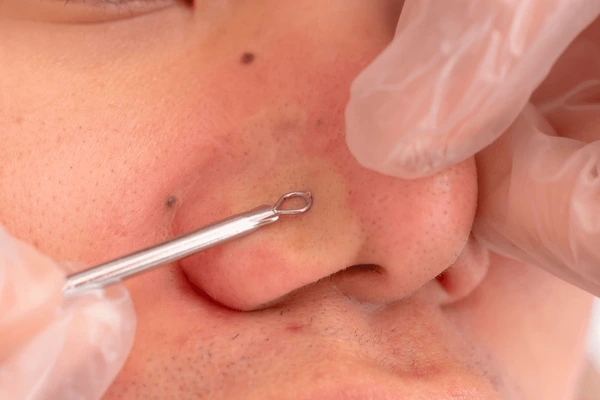
If blackheads persist or are deeply embedded, professional extraction by a licensed dermatologist or esthetician is the safest option.
They use sterile tools and techniques to remove blackheads without damaging the skin. Attempting to squeeze or pop blackheads at home can lead to:
- Inflammation
- Scarring
- Bacterial infection
Professional treatments such as hydrafacials, chemical peels, or microdermabrasion can also help minimize blackheads and refine skin texture.
At-Home Blackhead Removal Tools (Use with Caution):
If you prefer removing blackheads yourself, invest in safe, dermatologist-approved tools:
- Comedone Extractors: Metal tools with a small loop that gently presses out blackheads. Always sterilize before and after use.
- Pore Strips: Adhesive strips that lift out surface blackheads. While satisfying, they don’t prevent new ones from forming and can sometimes irritate sensitive skin.
- Suction Devices: Electric pore vacuums that remove impurities through suction. Use on low settings to avoid bruising.
Remember: Never use needles, pins, or fingernails for extraction. Damaging the skin barrier can worsen breakouts.
Skincare Routine to Prevent Blackheads:
Once you’ve removed blackheads, it’s important to maintain a consistent skincare routine to prevent them from returning.
Here’s a simple, effective routine:
- Cleanser: Use a salicylic acid or gel-based cleanser twice daily.
- Toner: Choose an alcohol-free toner with ingredients like witch hazel or niacinamide to tighten pores.
- Serum: Incorporate serums with exfoliating acids (AHA/BHA) or retinoids to keep pores clear.
- Moisturizer: Even oily skin needs hydration — opt for oil-free, non-comedogenic moisturizers.
- Sunscreen: Use broad-spectrum SPF 30+ daily. Sun exposure can thicken the outer skin layer and make pores more likely to clog.
Diet and Lifestyle Tips:
Healthy skin starts from within. Support your blackhead-free journey with these habits:
- Stay Hydrated: Drink at least 8 glasses of water a day to flush out toxins.
- Eat a Balanced Diet: Include fruits, vegetables, omega-3 fatty acids, and whole grains. Limit sugar, dairy, and greasy foods.
- Get Enough Sleep: Poor sleep affects hormone balance and increases oil production.
- Avoid Touching Your Face: Transferring dirt and bacteria from your hands can worsen clogged pores.
- Clean Pillowcases and Phones Regularly: These surfaces often harbor oil and bacteria that contribute to breakouts.
When to See a Dermatologist:
If you’ve tried multiple remedies and still struggle with blackheads or other acne symptoms, it may be time to consult a dermatologist.
They can prescribe stronger treatments such as:
- Topical Retinoids (e.g., tretinoin, adapalene): Promote cell turnover and keep pores clear.
- Prescription-Strength Exfoliants: Higher concentrations of salicylic or glycolic acid.
- Oral Medications: For severe acne, doctors may recommend antibiotics or hormonal treatments.
Myths About Blackhead Removal:
Let’s debunk a few common misconceptions:
- Myth 1: Blackheads are caused by dirt.
False — they’re caused by oxidized oil and dead skin cells, not poor hygiene. - Myth 2: Squeezing blackheads clears them completely.
Not true — squeezing can push debris deeper into pores and cause scarring. - Myth 3: Oily skin doesn’t need moisturizer.
Wrong — skipping moisturizer can make your skin produce even more oil. - Myth 4: Pore size can shrink.
You can’t permanently shrink pores, but you can minimize their appearance by keeping them clean and unclogged.
FAQ’s:
1. What is the fastest way to remove blackheads?
The quickest way is using a salicylic acid cleanser or clay mask to dissolve oil and clear pores.These ingredients deeply cleanse the skin without causing damage or irritation.
2. Can I squeeze out blackheads?
It’s best not to, as squeezing can push bacteria deeper and lead to scarring.Instead, use gentle exfoliation or professional extraction for safe results.
3. Do pore strips really work?
Pore strips can lift out surface blackheads, giving instant but temporary results.However, they don’t prevent new blockages or cleanse deep within pores.
4. How can I prevent blackheads from coming back?
Cleanse daily, exfoliate weekly, and use oil-free, non-comedogenic products.Maintaining a consistent skincare routine is key to preventing buildup.
5. When should I see a dermatologist?
Visit a dermatologist if blackheads persist or turn into painful acne.They can prescribe stronger treatments like retinoids or professional peels.
Final Thoughts:
Blackhead removal doesn’t have to be painful, complicated, or risky. With the right combination of cleansing, exfoliation, and prevention, you can maintain clear skin and minimize future breakouts.
Consistency is key. Treat your skin gently, choose products suited to your skin type, and avoid harsh DIY methods that could do more harm than good. And when in doubt, seek professional help — your skin will thank you for it.