

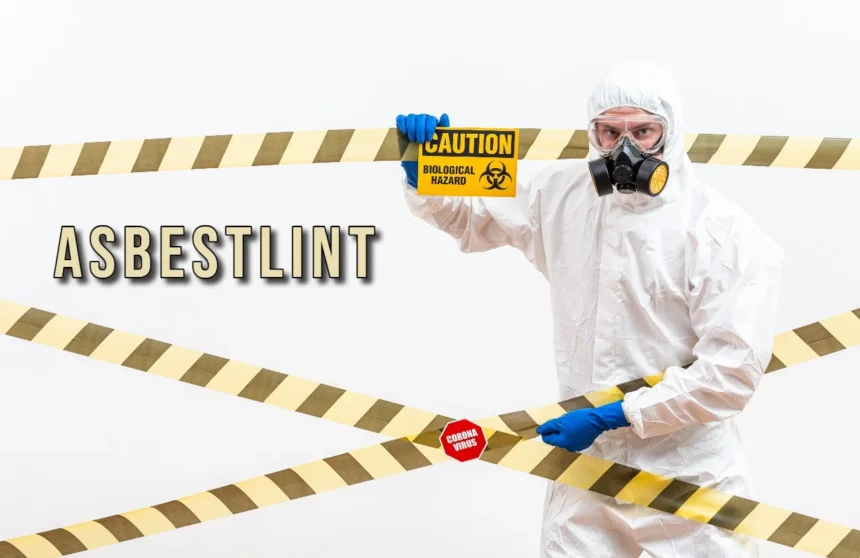
The term asbestlint often appears in discussions related to asbestos, industrial materials, and environmental safety. While it may sound technical, understanding asbestlint is important for anyone concerned with workplace safety, building materials, or public health. Asbestos has long been recognized as a hazardous substance, and asbestlint represents one of the less visible but equally dangerous forms in which asbestos contamination can occur.
This article explores what asbestlint is, where it comes from, why it poses risks, and how awareness and prevention play a critical role in protecting human health.
What Is Asbestlint?
Asbestlint refers to fine, lint-like fibers or dust particles that originate from asbestos-containing materials. These fibers are often invisible to the naked eye and can easily become airborne when asbestos materials are disturbed. Because of their lightweight and fibrous nature, asbestlint particles can linger in the air or settle on surfaces such as clothing, furniture, and ventilation systems.
Unlike solid asbestos materials, asbestlint is especially dangerous because it can be inhaled without immediate detection. Once inhaled, the fibers may remain in the lungs for years, increasing the risk of serious health conditions.
How Asbestlint Is Formed?
Asbestlint typically forms when asbestos-containing products break down over time or are disturbed during activities such as renovation, demolition, or industrial processing.
Common sources include:
- Aging insulation materials
- Worn asbestos cement sheets
- Damaged fireproofing materials
- Old flooring or ceiling tiles
- Industrial equipment that used asbestos components
Historical Use of Asbestos and the Rise of Asbestlint:
For decades, asbestos was widely used due to its heat resistance, strength, and insulating properties. It was commonly found in homes, factories, ships, and public buildings. However, as materials aged and regulations were slow to catch up, airborne asbestos fibers became a serious issue.
Asbestlint gained attention when researchers discovered that even small amounts of airborne asbestos dust could cause long-term health problems. This shifted the focus from visible asbestos products to invisible fiber contamination.
Health Risks Associated with Asbestlint:
The primary danger of asbestlint lies in inhalation. Once asbestos fibers enter the respiratory system, the body has difficulty removing them. Over time, this can lead to serious illnesses.
Major Health Concerns Include:
- Asbestosis: A chronic lung condition caused by prolonged exposure
- Lung cancer: Increased risk, especially among smokers
- Mesothelioma: A rare but aggressive cancer affecting the lining of the lungs or abdomen
- Respiratory irritation: Persistent coughing and breathing difficulties
Symptoms may not appear for decades, making early exposure particularly dangerous and difficult to trace.
Where Asbestlint Exposure Commonly Occurs?
Asbestlint exposure is more likely in environments where asbestos-containing materials are present or disturbed.
High-risk locations include:
- Older residential buildings
- Industrial sites and factories
- Shipyards and power plants
- Schools and public buildings built before asbestos regulations
- Renovation and demolition sites
Workers in construction, maintenance, and demolition industries face higher risks, but household exposure is also possible when asbestos materials deteriorate.
Why Asbestlint Is Difficult to Detect:
One of the most dangerous aspects of asbestlint is its invisibility. Unlike mold or dust buildup, asbestos fibers cannot be easily identified without professional testing. They do not have a smell, color, or immediate effect, which often leads to unintentional exposure.
Because of this, safety guidelines emphasize prevention, professional inspection, and controlled handling rather than visual identification alone.
Safety Measures and Prevention:
Preventing exposure to asbestlint is essential for protecting health. Strict regulations and safety protocols exist in many countries to control asbestos handling and removal.
Key Safety Measures Include:
- Avoid disturbing suspected asbestos materials
- Conduct professional asbestos inspections
- Use certified asbestos removal specialists
- Wear appropriate protective equipment
- Seal and isolate contaminated areas
Homeowners and workers should never attempt to remove asbestos materials without proper training and authorization.
Regulations and Legal Considerations:
Due to its proven health risks, asbestos use is heavily regulated or banned in many regions. Laws typically require:
- Disclosure of asbestos presence in buildings
- Licensed professionals for removal and disposal
- Safe waste handling and disposal procedures
- Workplace exposure limits
Environmental Impact of Asbestlint:
Beyond human health, asbestlint can also impact the environment. Airborne fibers may settle into soil or water systems, creating long-term contamination risks. Once released, asbestos fibers do not break down easily, making cleanup and containment challenging.
Environmental monitoring and controlled disposal are essential to prevent wider contamination and ecological damage.
The Importance of Awareness and Education:
Awareness is one of the most powerful tools in reducing asbestlint exposure. Many cases of asbestos-related illness occur due to lack of knowledge or delayed recognition of risk.
Education efforts focus on:
- Informing workers and homeowners
- Promoting safe renovation practices
- Encouraging regular building inspections
- Highlighting long-term health consequences
Modern Alternatives to Asbestos:
Asbestos has largely been replaced by safer materials that provide similar benefits without the same risks. These alternatives include fiberglass, cellulose fiber, and modern synthetic insulation materials. The shift away from asbestos has significantly reduced new cases of exposure, although legacy materials remain a concern.
Continued research and innovation ensure that modern construction no longer relies on hazardous substances like asbestos.
The Future Outlook Regarding Asbestlint:
While new asbestos use is declining, asbestlint remains a concern due to aging infrastructure worldwide. Many older buildings still contain asbestos materials that will eventually require safe management or removal.
Future efforts will likely focus on:
- Improved detection technologies
- Safer removal techniques
- Stronger regulations and enforcement
- Increased public awareness
FAQ’s:
1. What is asbestlint?
Asbestlint is made up of tiny asbestos fibers or dust released when asbestos-containing materials deteriorate or are disturbed.
2. Why is asbestlint dangerous?
Asbestlint is dangerous because its microscopic fibers can be inhaled and remain in the lungs, leading to serious health conditions over time.
3. Where is asbestlint commonly found?
It is commonly found in older buildings, industrial sites, and areas where asbestos materials have been damaged or improperly handled.
4. Can asbestlint be seen with the naked eye?
No, asbestlint fibers are usually invisible and require professional testing to detect accurately.
5. How can exposure to asbestlint be prevented?
Exposure can be prevented by avoiding disturbance of asbestos materials and using licensed professionals for inspection and removal.
Conclusion:
Asbestlint represents a hidden but serious risk associated with asbestos exposure. Though often invisible, its impact on health can be severe and long-lasting. Understanding what asbestlint is, where it comes from, and how to prevent exposure is essential for protecting individuals, communities, and the environment.