

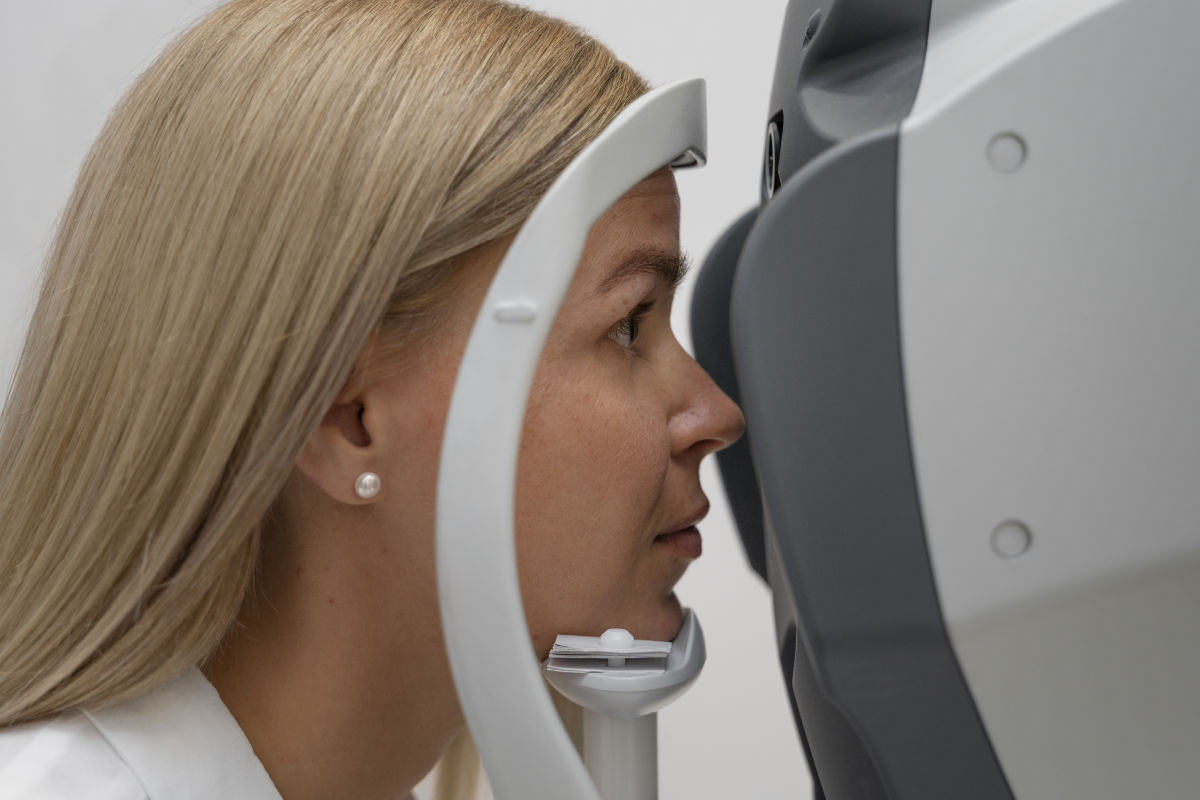
Understanding Visual Field Testing
Visual field testing measures the sensitivity of the retina across various areas of a patient’s field of vision. This test helps detect abnormalities like blind spots (scotomas) and peripheral vision loss, often signaling the onset of conditions like glaucoma or neurological issues. There are different types of visual field tests used in clinical practice, the most common being static perimetry, kinetic perimetry, and frequency doubling technology (FDT).
Static perimetry is widely used in diagnosing glaucoma and other retinal diseases. It assesses the patient’s threshold sensitivity to light at specific points in their visual field. Kinetic perimetry, on the other hand, maps the boundaries of the visual field by moving a light stimulus across the retina. FDT, primarily used for glaucoma screening, is a faster method with less patient fatigue, making it ideal for routine screenings. Each test type has its advantages, and the machine you choose should support the tests your clinic most commonly performs.
Key Factors to Consider When Choosing a VF Machine
1. Test Type and Versatility
One of the first things to consider when choosing a visual field machine is the type of tests it can perform and whether those tests meet your clinic’s needs. If your practice primarily deals with glaucoma management, static perimetry is likely the most critical function, as it’s the gold standard for detecting early glaucoma damage. Machines like the Humphrey Field Analyzer (HFA) by Carl Zeiss are often preferred for static perimetry due to their accuracy and reliability.
For clinics that require more flexibility, the Octopus Perimeter by Haag-Streit might be a better option. This machine supports both static and kinetic perimetry, making it a versatile choice for detecting a wider range of conditions. Furthermore, it allows customization of test patterns, which can be particularly useful for clinicians dealing with complex cases. If you mostly use the machine for quick glaucoma screenings, a system with frequency doubling technology (FDT), like the Zenith FDT, might be a more efficient option, as it’s quicker and requires less patient effort.
2. Technology and Brand Reputation
The technology and brand behind the machine can have a significant impact on its performance and longevity. Leading brands like Carl Zeiss, Haag-Streit (Octopus), and Medmont have long been trusted in the industry for producing high-quality machines with advanced features. Humphrey Field Analyzers, for example, are known for their precision and comprehensive software suite, making them a top choice for clinics that require high-end technology.
For clinics with a broader range of diagnostic needs, the Octopus Perimeter provides a combination of static and kinetic testing capabilities, as well as flexibility in customizing test patterns, which is beneficial for treating various retinal and neurological conditions. Meanwhile, Medmont offers the M700, a compact and reliable machine that is well-regarded for its user-friendly interface and accuracy, making it a great option for smaller clinics or those seeking a cost-effective solution without compromising on quality.
3. Speed and Patient Comfort
The time it takes to perform a visual field test and the level of patient comfort should be a major consideration. A machine that tests quickly and comfortably can reduce patient fatigue, improve compliance, and increase the overall efficiency of your clinic. Tests like those offered by FDT systems are often faster and involve less strain on the patient. This makes FDT devices particularly useful in busy clinics where time and patient comfort are priorities.
The design of the machine is also important for patient comfort. Machines with ergonomic features—such as larger, more adjustable test heads—are often better tolerated by patients. Additionally, user-friendly interfaces with clear instructions can help alleviate patient anxiety and make the testing process smoother.
4. Software and Reporting Features
The quality of the software is just as important as the machine’s hardware. A good visual field machine should come with robust software that can interpret test results, track disease progression, and generate clear reports. For example, the Humphrey Field Analyzer is well-known for its comprehensive software, which offers detailed, customizable reports and allows for long-term tracking of patients with conditions like glaucoma. Many modern systems allow you to store patient data in the cloud, making it easy to access and share results with other healthcare providers or specialists.
Additionally, some visual field machines offer integrated features that link to electronic medical records (EMR), which streamlines data management and ensures that patient records are easily accessible for future visits. For clinics with high volumes of patients, a machine with easy-to-read software and automatic result analysis can save valuable time for both clinicians and technicians.
5. Cost and Budget Considerations
Cost is a crucial factor when selecting a visual field machine, especially for small or medium-sized clinics. While high-end systems like the Humphrey Field Analyzer provide excellent diagnostic capabilities, they come with a higher price tag. However, their extensive features and precision make them a worthwhile investment for practices that handle a large volume of patients or deal with complex cases.
For clinics with more modest budgets or those focused on basic screening, Medmont M700 or FDT systems offer more affordable yet reliable alternatives. The Medmont M700, for example, is a compact and cost-effective machine that delivers accurate results without the steep cost of larger systems. However, it’s important to balance cost savings with the machine’s functionality to ensure you’re getting a reliable system for your needs.
6. Space and Size Requirements
The size and footprint of the machine should also be considered, particularly if your clinic has limited space. Some visual field machines are bulky and require dedicated rooms for testing, while others are more compact and can be easily moved between exam rooms. Machines like the Medmont M700 are smaller and more portable, making them an excellent choice for practices with limited space or those that need a portable system that can be used in multiple exam rooms.
For larger clinics with dedicated space for visual field testing, bigger machines like the Humphrey Field Analyzer may be ideal. These machines are typically more robust and feature-rich, but they also require more space to operate.
7. Customer Support and Service
Having reliable customer support and maintenance services is essential for minimizing downtime and ensuring that your machine stays in good working condition. Look for manufacturers that offer strong warranties and responsive customer service. Additionally, ensure that training is available for your staff to properly use and maintain the equipment. A good support system can save time and prevent potential issues, helping your clinic run smoothly.
Future-Proofing:
As with any medical technology, it’s important to consider the future needs of your clinic when purchasing a visual field machine. Some newer models come with advanced features, such as AI-powered analysis and remote monitoring, which can help improve diagnostic accuracy and streamline workflow. These features not only enhance the overall functionality of the machine but also ensure that your practice stays up-to-date with the latest advancements in eye care technology.
FAQ’s:
1. What is the most common visual field test?
Static perimetry is the most common, especially for glaucoma detection. The Humphrey Field Analyzer (HFA) is widely used for its accuracy and reliability.
2. How do I choose the right machine for my clinic?
Consider your clinic size, patient volume, and test needs. Large clinics may prefer the HFA, while smaller ones might opt for compact models like the Medmont M700 or Octopus Perimeter.
3. Are portable machines accurate?
Yes, modern portable units provide reliable results for screenings, though larger systems offer more advanced testing and reporting options.
4. Why is software important?
Good software enables easy result analysis, disease tracking, and EMR integration, improving workflow and accuracy.
5. How much do visual field machines cost?
Prices range from $10,000 for basic units to $40,000+ for advanced systems. Factor in maintenance, updates, and training when budgeting.
Conclusion
Choosing the right visual field machine for your clinic is a decision that requires careful consideration of several factors, including test type, technology, patient comfort, software features, cost, and space requirements. Whether you opt for a high-end model like the Humphrey Field Analyzer or a more affordable option like the Medmont M700, the goal is to select a system that meets your clinic’s needs while providing the best possible care to your patients.